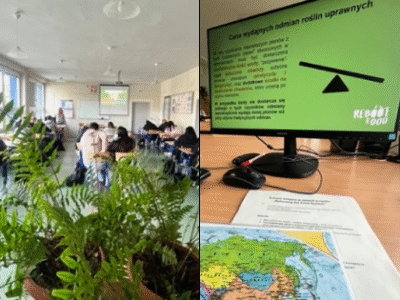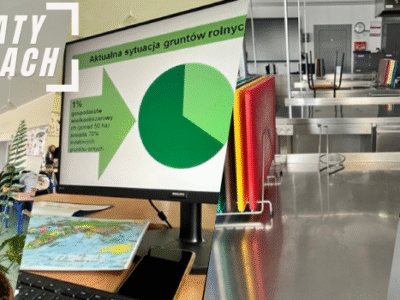



Definition of agroecology states that it is agricultural ecology, a science that studies the interdependencies between living organisms of agricultural fields and how these interdependencies are affected by habitat changes due to land reclamation, agrotechnical treatments, industrial emissions and municipal contamination.
However, for us agroecology is more than a science that studies interdependencies. It is a holistic approach that promotes sustainable agricultural production while caring for the environment. It involves harmonizing natural methods and ecosystem services by increasing farm resilience and diversity.
The introduction of this approach will enable the full transformation of agriculture and food systems. Learn about the concept and the principles behind it.
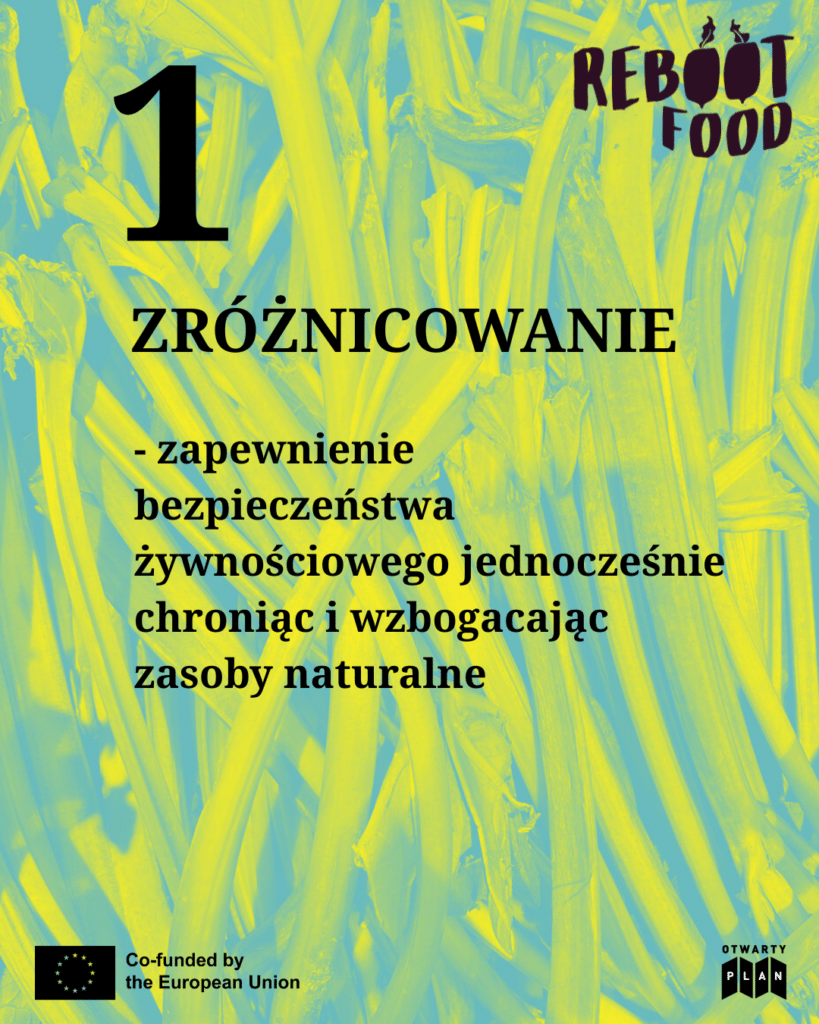
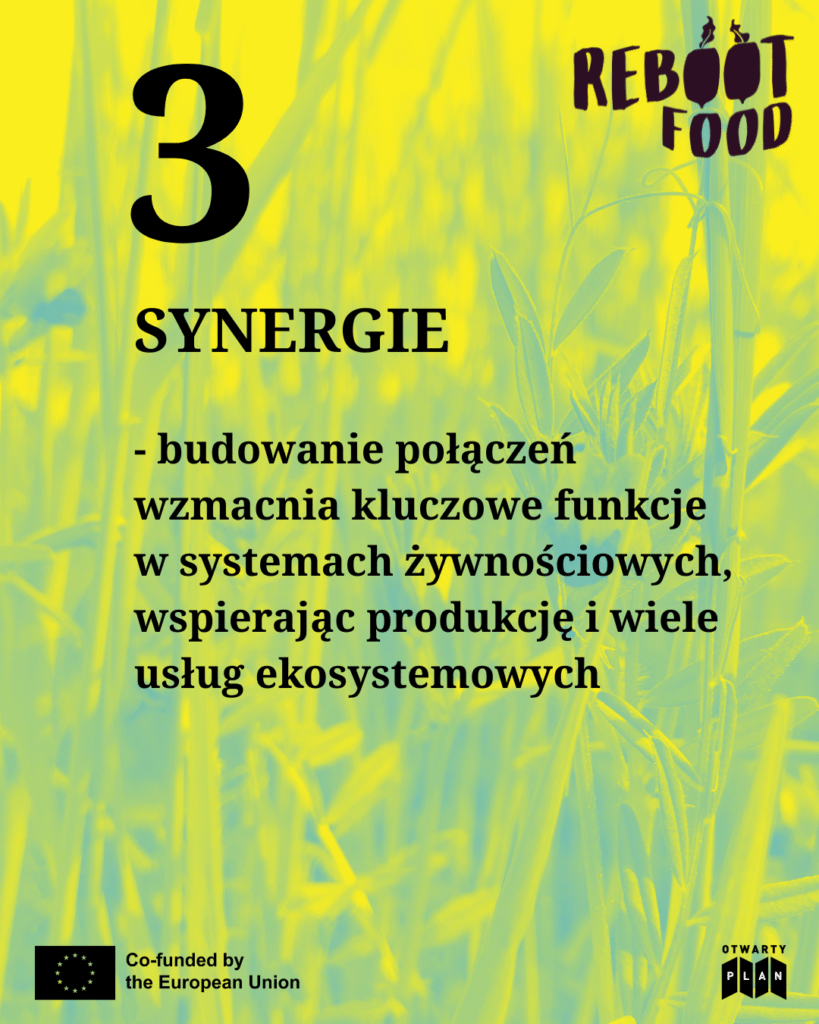
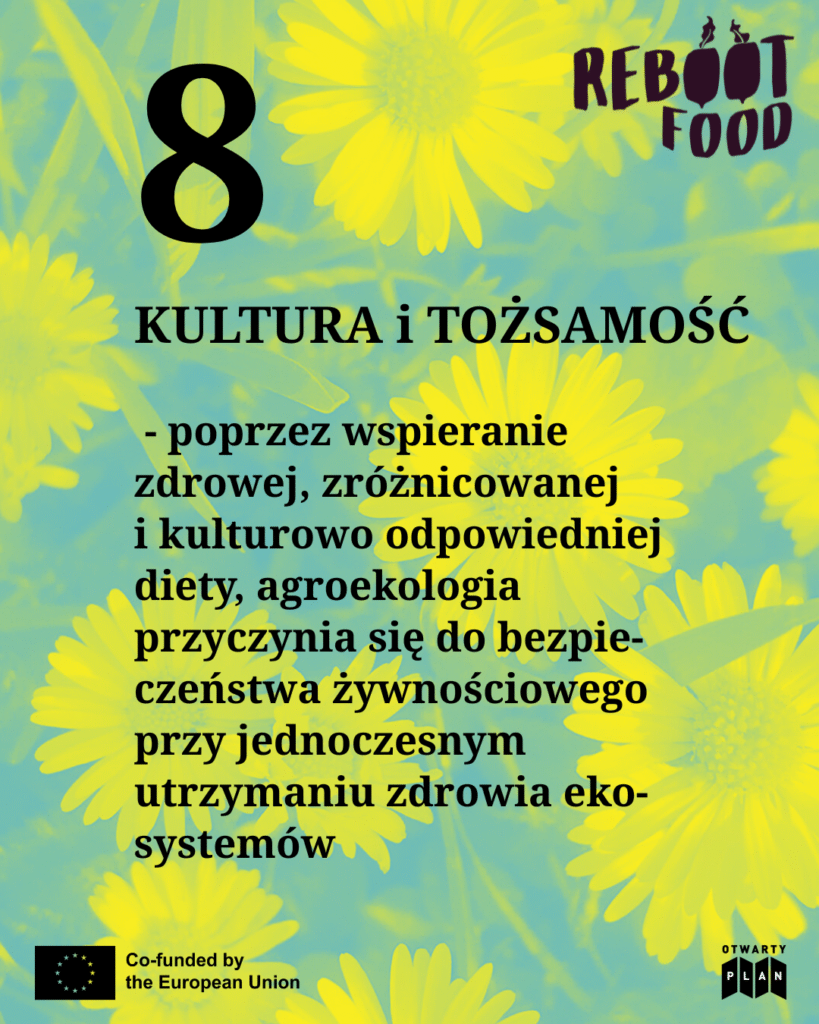
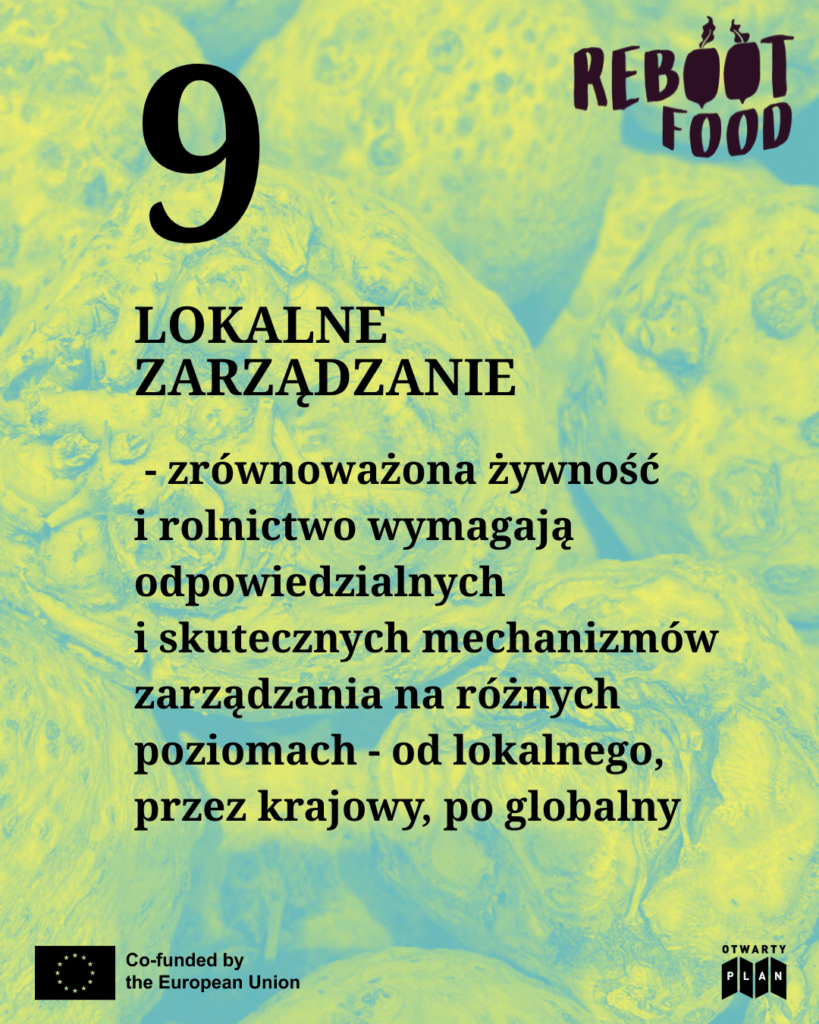
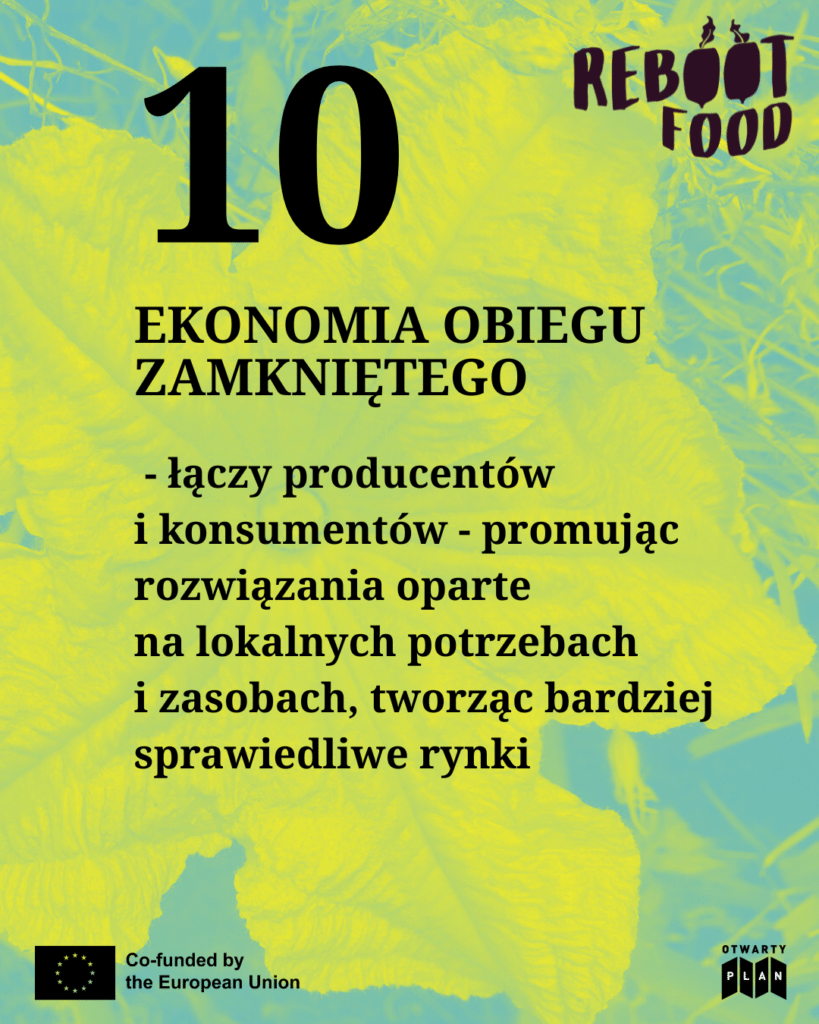
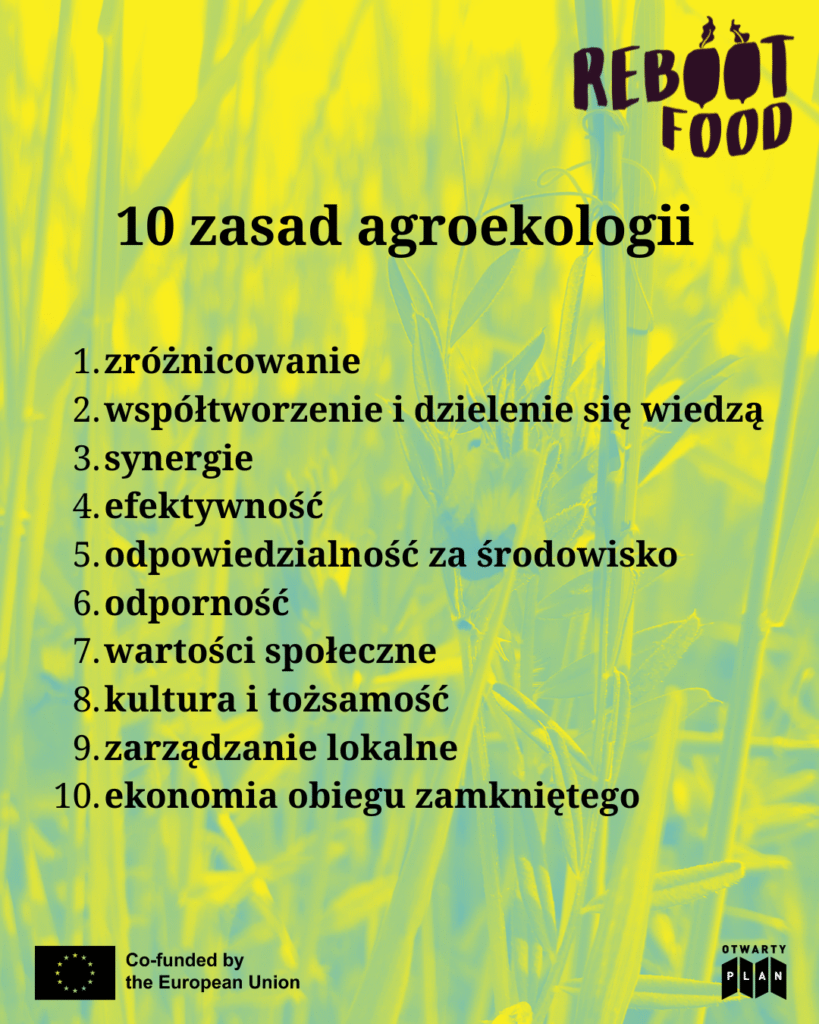
In 10 points, we present the principles of agroecology, as defined by the Food and Agriculture Organization of the United Nations (FAO).
All of these principles serve as a guide to a more sustainable food system - for greater food security and resilient ecosystems, without which our future on Earth is in question.
Agroecology is not just a method of cultivation. It is a way of thinking about the food system as a whole, based on: cooperation, localism, justice and environmental protection.
Here are 10 principles of agroecology that show how we can change the world by considering analyzing the food system:

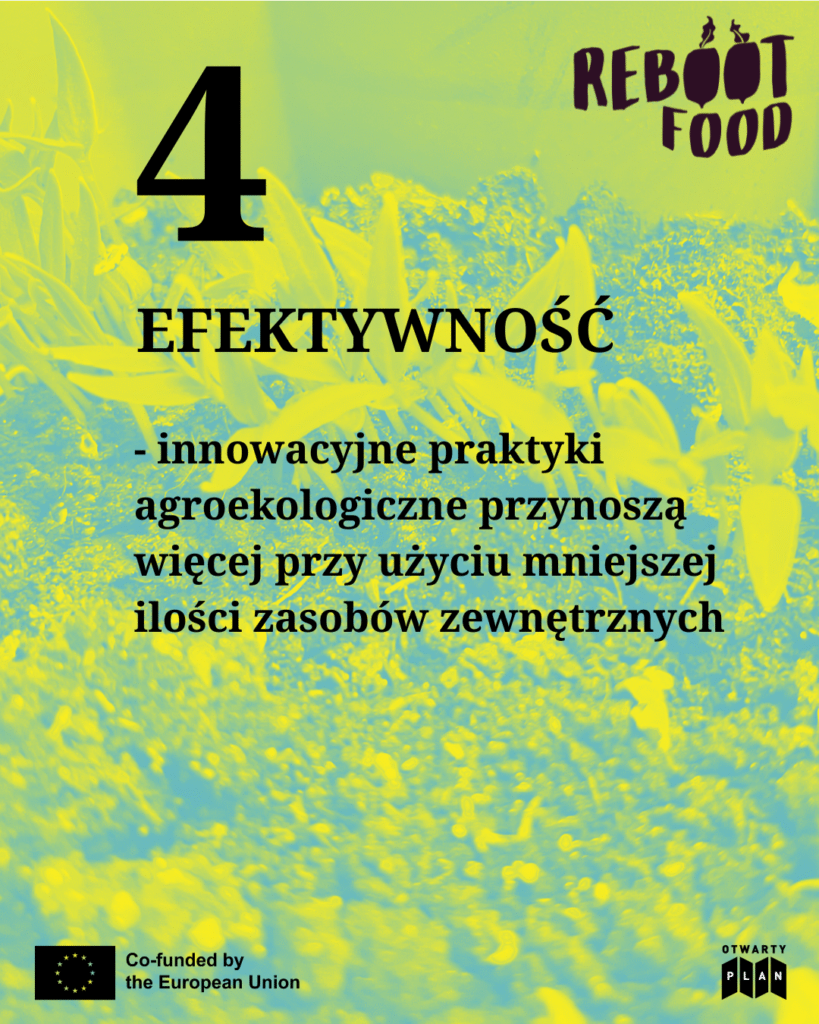
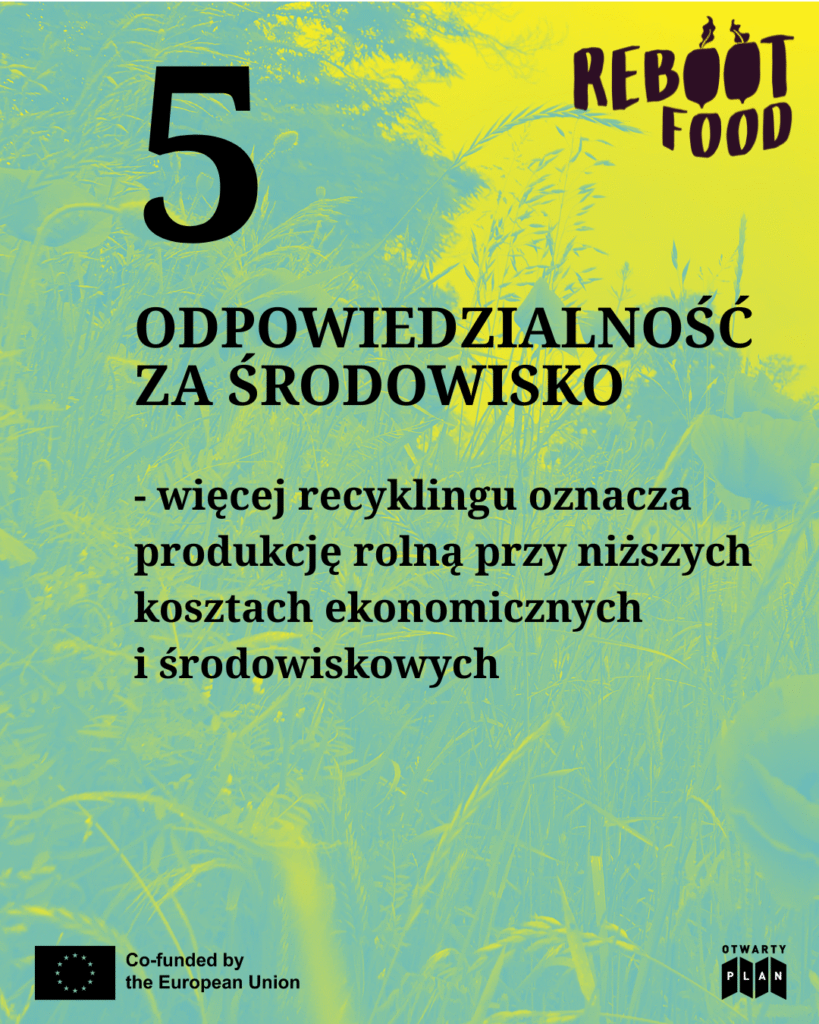
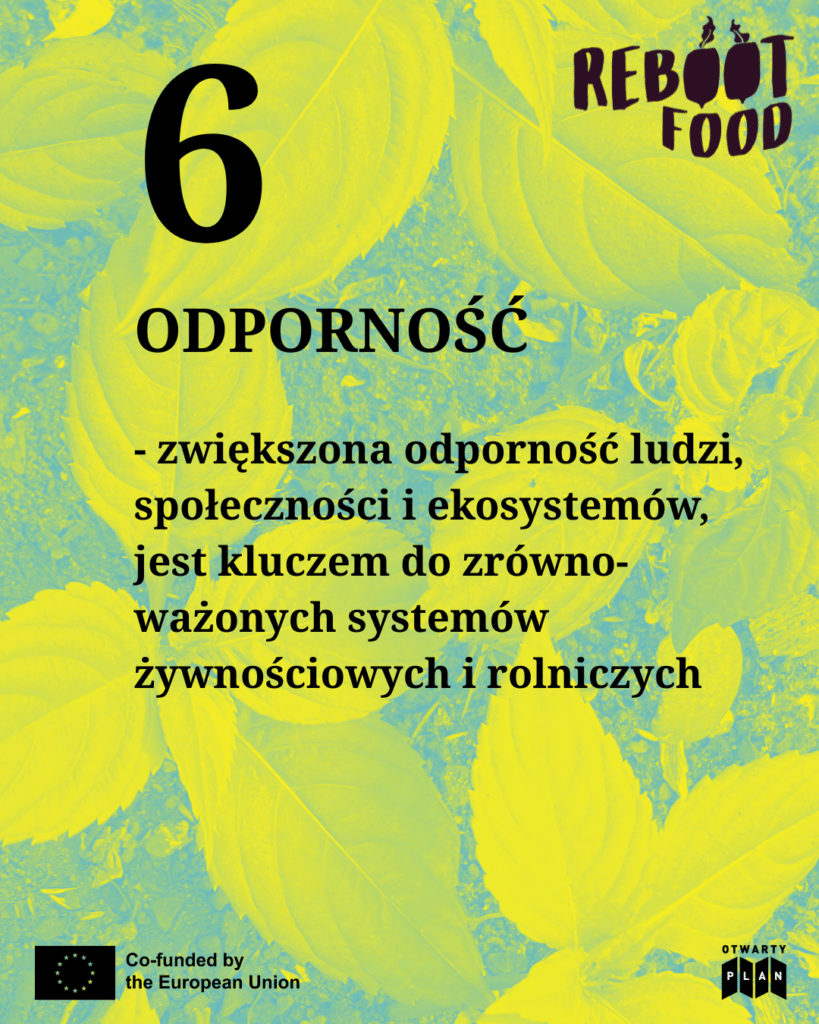
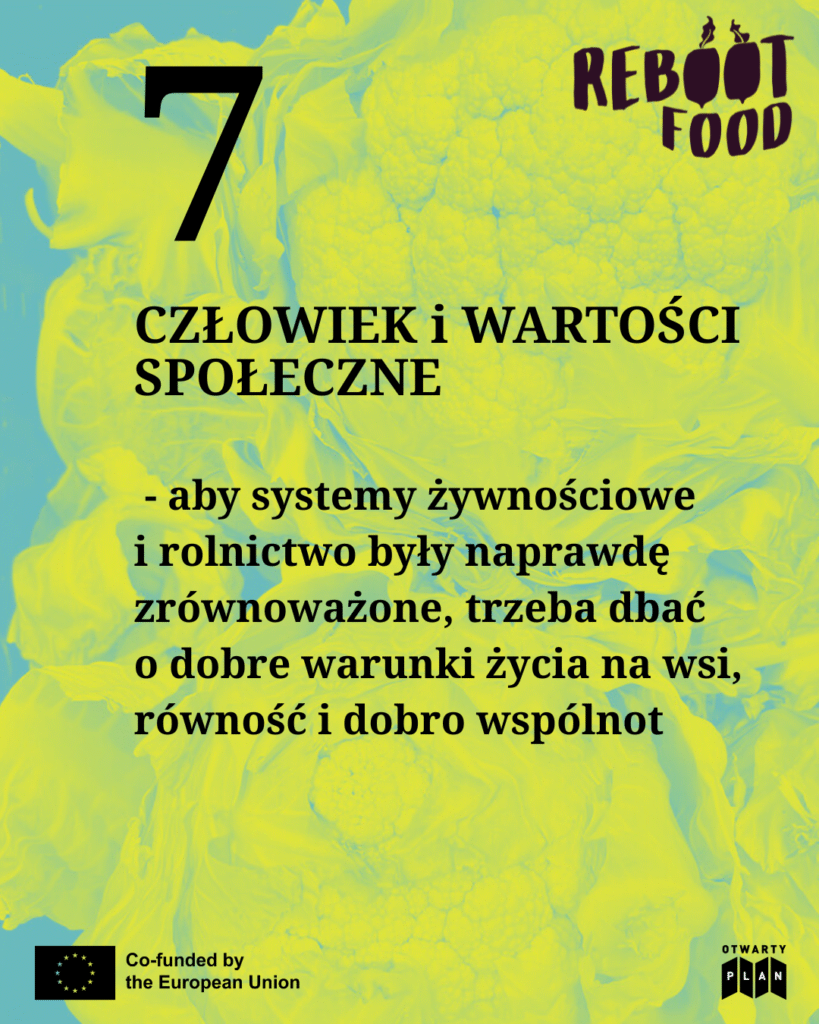
In our educational efforts, we will attempt to find common ground between global assumptions and the possibilities of implementing them in local conditions. We will focus on our everyday consumer decisions, but also their enormous impact on local markets and the state of the environment.

The “Reboot the Food System” project is implemented with financial support from the European Union under the Development Education and Awareness-Raising (DEAR). The content is the sole responsibility of the Open Plan Foundation and can in no way be considered to reflect the position of the European Union.